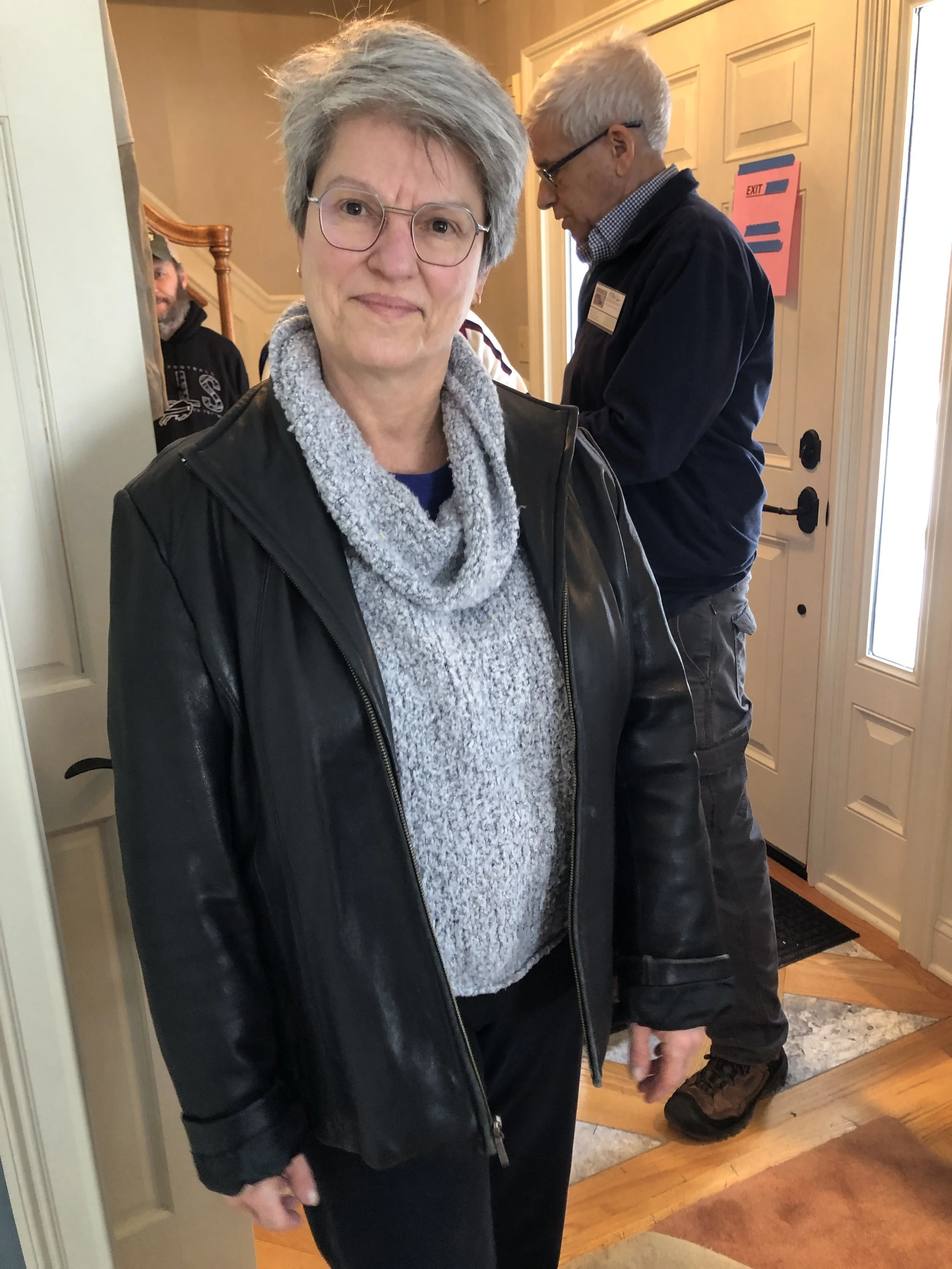
In honor of the upcoming Erma Bombeck Writers Workshop at the end of March, 2026, I’ve brought this thank you letter from Bon Mot out of mothballs, as it still has quite a bit of wear left in it. Enjoy.
Dear Erma Bombeck Writers Workshop (EBWW) 2020:
Thank you inviting us to attend this year’s workshop and for choosing Bon Mot as your Personal Moniker Shopper. We appreciate the opportunity to help you choose the Descriptor that best accentuates your positives.
We spent the weekend browsing the hangers in your word closets in #virtualErma2020 and private facebook group. Using proprietary algorithms, we culled the following affectionate monikers in use by attendees for further analysis:
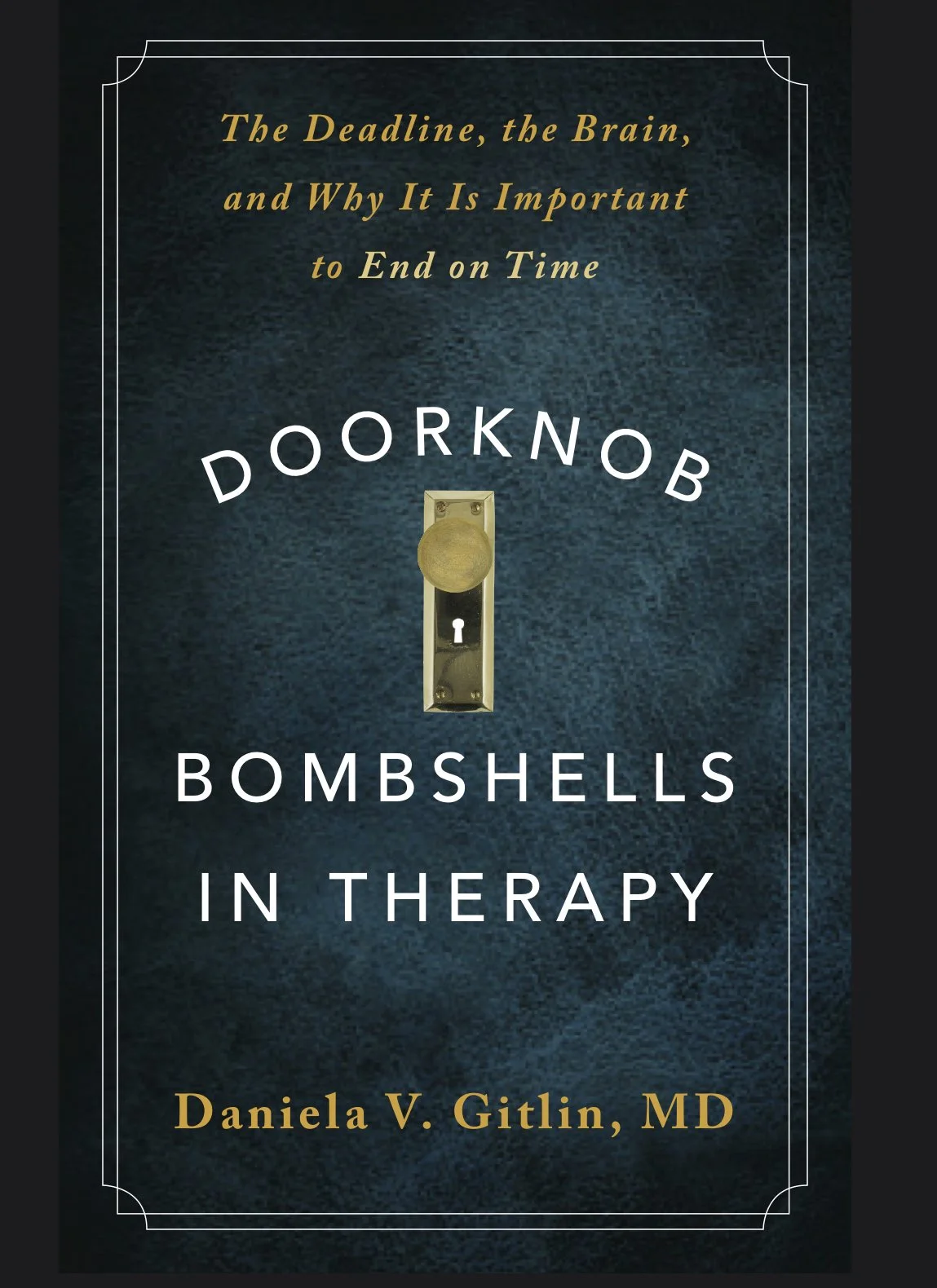
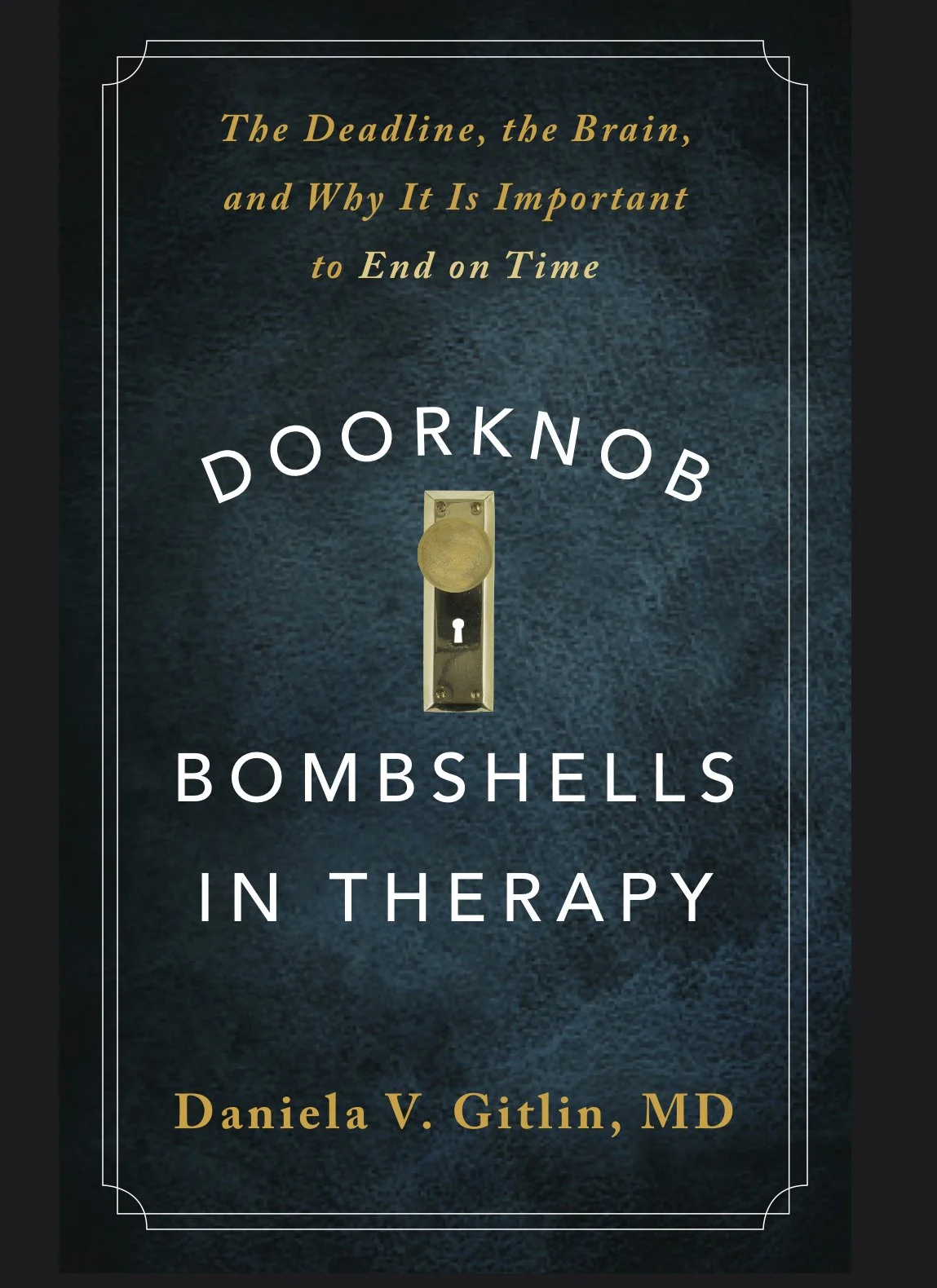
I wrote Doorknob Bombshells in Therapy for clinicians, but the core premise—the power of the deadline—works for creatives as well. In this interview, Suzette and I discuss the different and competing functions of the right and left hemispheres of the brain and how they impact therapy and creative work.
The Babylonians (circa 2000 BCE), the ancient Egyptians and early Romans all celebrated the new year at the spring equinox, which makes so much sense. The days warm and lengthen. Birdsong sweetens the morning air and my coffee. Crocuses push up energetically through banked snow. The bright spring sun, despite the cold, causes a surge of happiness and energy to rise through me like sap. I become ambitious, new resolutions and plans surging forth organically. And while achieving all my resolutions in the year I make them is unlikely, still, the chance of achieving some of them is good to very good because… energy.
I don’t know about you but my energy level from December through March is low to non-existent.
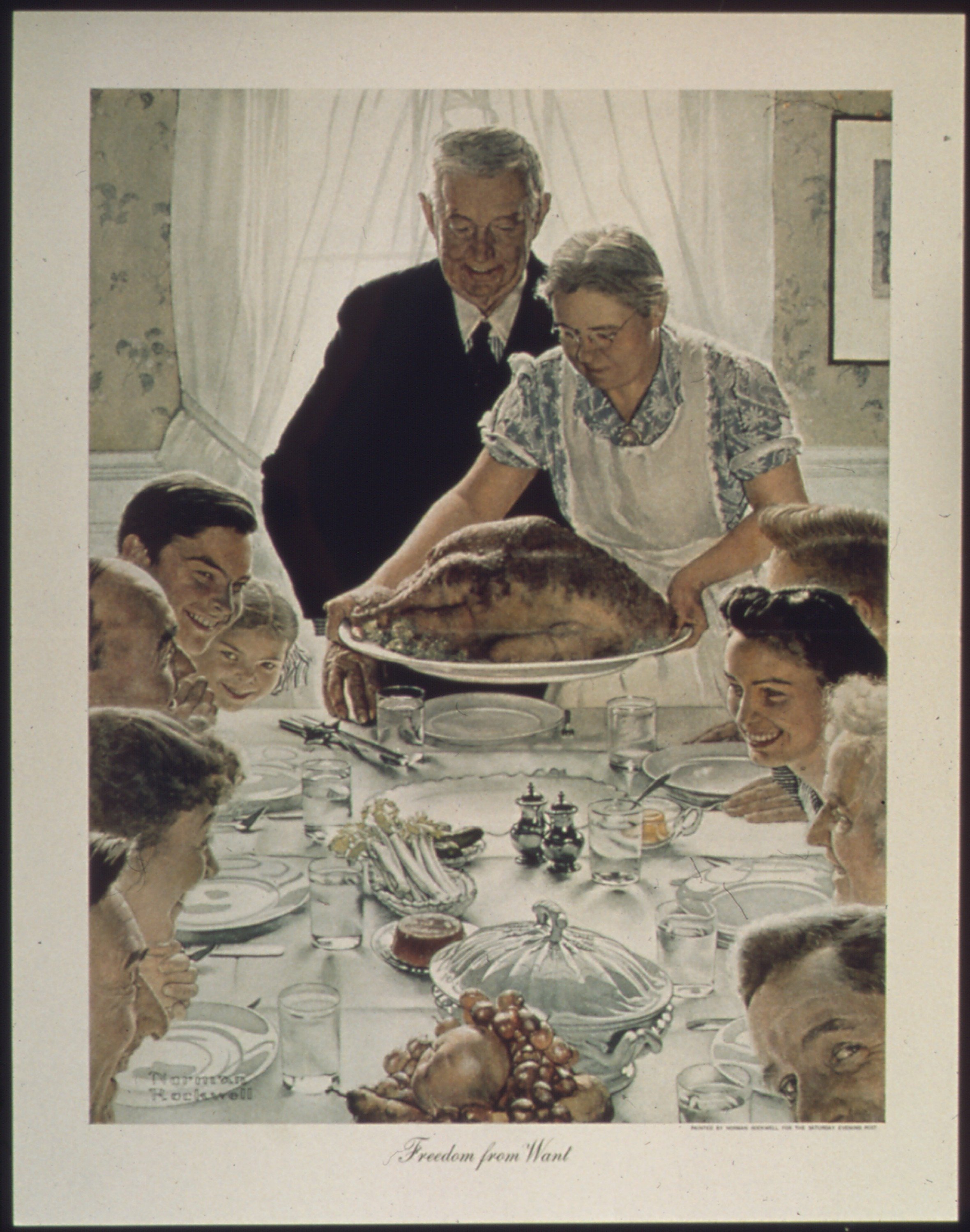
I look at this iconic painting of the iconic white American family sitting at table celebrating that most American of holidays, Thanksgiving—Ma at the head, eye drawn to the huge roasted turkey on an oval platter that she’s bending to place on the table; Pa, black-suited, standing behind, not helping her—and think to myself: only a man could have painted this image, a man who never once hosted a large gathering; or roasted, carved and served a whole turkey.
How do I know?
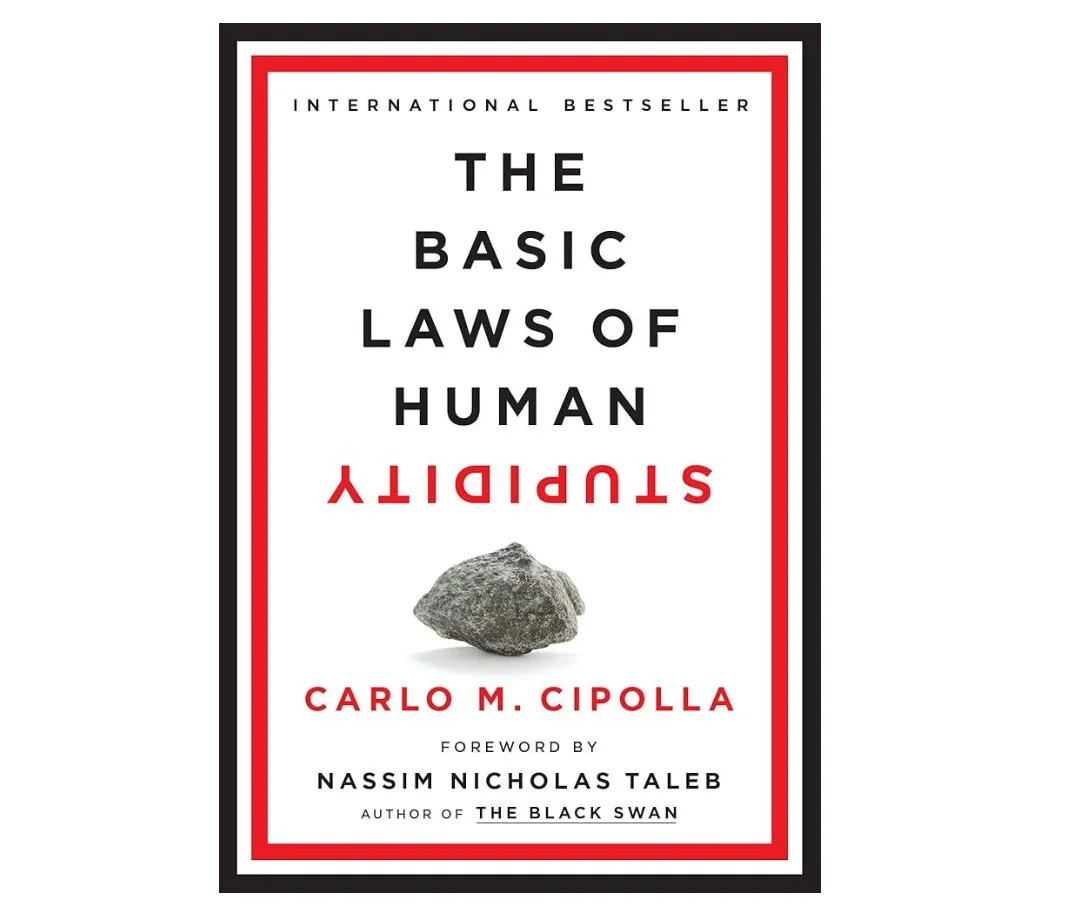
Cipolla’s writing is so elegant and clear, his argument so straightforward and intellectually deep, as well as amusing, it’s tempting to blow off this gem as mere satire. Beware—it’s so sharp, you might cut yourself.
“Let me point out… this little book is neither a product of cynicism nor an exercise in defeatism—no more than a book on microbiology is. The following pages are in fact the result of a constructive effort to detect, know, and thus possibly neutralize one of the most powerful dark forces that hinder the growth of human welfare and happiness.” (from the Introduction)
What is that dark force? Stupidity.

Any fantasy I held that my remote, rural area in upstate New York would escape the immigration thuggery of ICE was dashed reading last week’s farm note.

One of the most important things I’ve learned about feelings from being in therapy and doing therapy is that feelings are a response to something outside of ourselves, in the environment, or inside of ourselves, in our minds. Feelings are data. You can interpret data. Hold that thought. I’ll get back to it shortly.

On 6/2/2025, I posted here that my book Practice, Practice, Practice: This Psychiatrist’s Life came in a Finalist by Positive Impact Awards. That was exciting enough. But then Practice, Practice was upgraded from Finalist to Category Winner (with two others, unranked) in the Health and Wellness Category!

Practice, Practice, Practice: This Psychiatrist’s Life has been declared a Finalist in the spring/summer Positive Impact Awards. “Your work truly stood out, and we’re honored to recognize the meaningful impact you’ve made through your words.”
Wow!

Do you love to listen to books being read to you? While you garden? While you cook? While you doze off? Well, do I have a deal for you!
Take advantage of this spring sale

Nest Egg is the first of a cozy mystery series (Aloha Chicken Mysteries) set in—you guessed it—Hawaii. I read all eighteen books, enjoyed them thoroughly, and surfaced refreshed with a renewed faith in the goodness of people.
I don’t know about you but I’m not getting enough space these days. From congested traffic. From people needing me. From the news. Every day, there’s a new shock. It’s all too much. I feel crowded. So crowded. I need room, a safe space. To rest. To dispel the darkness. To stay sane in an insane situation.
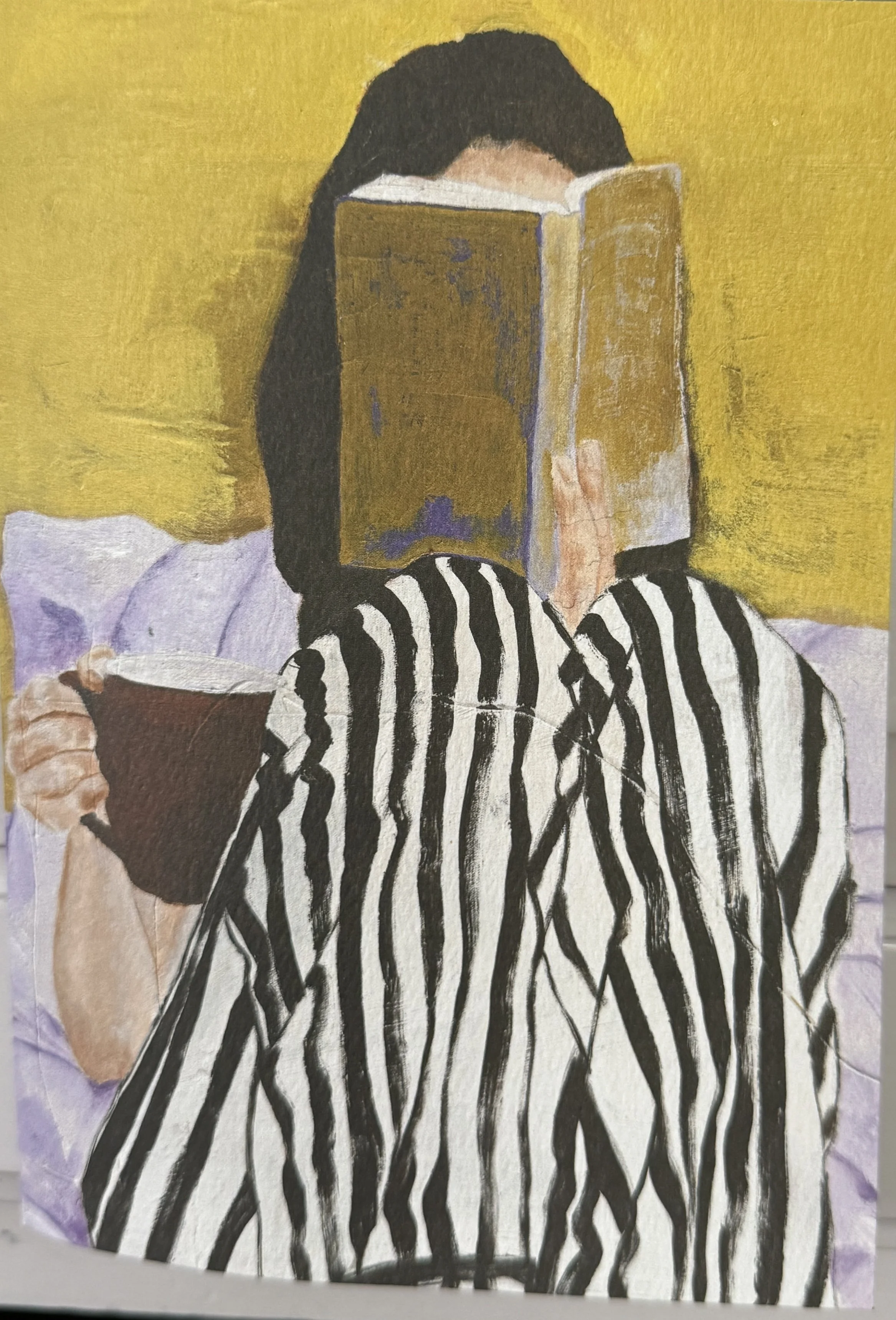
What’s my safe space? Reading in bed. There is nothing I love more than spending time in a compelling imaginative world. Give me a cozy mystery series any day. Especially these days. Please. I’ll trade you this one by Josi Avari.

Fun fact: 80% of human communication is non-verbal. Think of the attitude and physical expression that drives the chef’s kiss gesture. That gesture says so much more than the word delightful.
Words floating free of our bodies (i.e. on paper or screen) are slippery and easily misinterpreted. That’s why writing is so hard. That’s the core problem with texting, making it a terrible way to communicate effectively. Yet, not only has texting become ubiquitous, expecting an immediate reply has too. Any delay arouses impatience, anxiety, or worse. Ghosting—

I love jewelry. Who doesn’t? But I’m ambivalent about bedecking myself, as that draws attention. While that reticence is my natural inclination, it’s also been reinforced by my work as a therapist psychiatrist. When I was in training, I was taught the following.
You are in the relationship to be of service to the patient. The focus should always be on them, not you.
Dress neutrally, to visually emphasize that the relationship is professional, not personal. You are not dressing to enhance your attractiveness. You are dressing to emphasize your function.

When my son was in fifth grade, he had a dark view of life in general and of school in particular: “The principal is Pharoah and us kids are the slaves.”
“What about the teachers?”
“They’re the ones with the whips.”
What a metaphor. I felt bad for him.


Twenty-five-year-old Patrick’s beloved brother Tom dies and he finds himself unable to return to the hustle of his cubicle job at The New Yorker magazine. A long-time lover of art and art museums, he visits the Met and finds there a timeless stillness and beauty that is the antithesis of the thrusting, questing energy characteristic of New York City. Thus begins the story of the ten years he works at the Met as a guard, learning who he is without his brother in company with some of the greatest world art of all time and an international, multi-ethnic crew of guards from all walks of life. This is a workplace memoir taking us into the back of the shop, which is fascinating alone. But there is so much more.

Yes, ‘tis the season once again. Time to repost and reread this insanely useful study—your world will be rocked.

The Proud Author and W. W. Norton & Company are Thrilled To Announce the Publication of Her Second Book Today 9/17/2024.

Tragedy struck in the wake of a storm-related power outage a month ago on a Saturday night. But I didn’t know it yet.

Indeed they do! I’ve had quite the July.
On 7/18/24, I received a box of first editions of my second book! (That’s one.) The same day friends who had pre-ordered it, received theirs! (That’s two.) Oh. My. God. This book is really happening.

“A typical neuron makes about ten thousand connections to neighboring neurons. Given the billions of neurons, this means there are as many connections in a single cubic centimeter of brain tissue as there are stars in the Milky Way galaxy.” David Eagleman
This short, accessible, and frequently amusing book opens with “The Half Lesson: Your Brain Is Not for Thinking.” It’s not? Already my mind boggled. Then what’s it for? Wipe your mind of whatever you were thinking (ha) and prepare for a shock.

I bet you are asking yourselves: Doorknob bombshells? Doorknob bombshells in therapy? What is that?
A doorknob bombshell, also known as a doorknob moment, is a clinical phenomenon that occurs in a wide variety of settings. That’s when a patient drops distressing personal information critical to the treatment on their way out the door, hand on the doorknob, and then breaks down.
What should a caring clinician do when a patient does that? It’s a near universal dilemma for clinicians.

Since its inception in 1949, Mental Health Awareness Month has been all about making public, in a spirit of advocacy, the many, many challenges faced by millions of Americans living with mental health conditions.
But there’s not much out there about the working and personal lives of mental health providers. And what there is, is inaccurate, being based on fiction, such as the television sitcom Frasier. Let me make you aware of what my life as a psychiatrist is like.
Let me make you aware of what my life as a psychiatrist is like.

Yes! Not only that—I met my deadline. I am amazed.
You know what’s weird? I can’t remember writing it. Wait, that’s not accurate. I do remember the experience of writing it.

Ideas are everywhere, with two caveats. First, you have to notice them. Second, they’re not all good. By that I mean, worth developing.
What is a good idea?

Writing used to be my happy place. I used to be disciplined, reliable, and productive. Not anymore.
“How’s the book coming?” asks my friend Kristin, best-selling author and major procrastinator. She’s referring to the book W.W. Norton, major publisher of books essential to the practice of psychiatry and neurology, has advanced me actual money to write: 50,000 words, completed manuscript due October 2023.
“Terrible,” I say. “I oversleep, dawdle away the delegated time, then feel relieved when the time runs out. I don’t recognize myself!!!”

I was invited—out of the blue— to write an academic book by W. W. Norton, a publisher of books essential to the practice of psychiatry and neurology. I’ve been writing and practicing psychiatry for decades in obscurity and felt like a long-time actor might feel who gets “discovered overnight”— Disbelieving. Thrilled. Validated.
Thinking through how it happened makes me believe that you, too, can write an article that leads to a book deal.

On average I read eight to ten books a month, fiction and non-fiction, for a couple hours at the end of my day in bed. Since July, after landing the book deal with W.W. Norton, I’ve also been reading one book—The Master and His Emissary: The Divided Brain and the Making of the Western World by Ian McGilchrist, MD, a British psychiatrist and philosopher—for a couple hours most mornings at the desk after a few cups of coffee.
How many pages do I read in two hours? About ten. The material is so dense, I have to take notes to stay focused. (More on that in a few paragraphs.) I haven’t worked this hard since medical school!
About The Author
Welcome! What's this human’s life like? Just like yours: too much to handle gracefully. Here you’ll find writing on the epic theme: What now? I post weekly-ish. Except when I don’t. Read more….

My new book!
“Doorknob Bombshells in Therapy is an in-depth exploration of the complicated and powerful relationship between a patient and therapist. By exploring the moment that leads to the end of a therapy session, Dr. Gitlin provides insight in the entire meaning of the therapeutic alliance that is built.” Jeffrey Stovall, MD, profession of clinical psychiatry, Department of Psychiatry and Behavioral Sciences, Vanderbilt University

Official launch 9/17/24. Pre-order and get it now along with 20% off and free shipping.
In honor of the upcoming Erma Bombeck Writers Workshop at the end of March, 2026, I’ve brought this thank you letter from Bon Mot out of mothballs, as it still has quite a bit of wear left in it. Enjoy.
Dear Erma Bombeck Writers Workshop (EBWW) 2020:
Thank you inviting us to attend this year’s workshop and for choosing Bon Mot as your Personal Moniker Shopper. We appreciate the opportunity to help you choose the Descriptor that best accentuates your positives.
We spent the weekend browsing the hangers in your word closets in #virtualErma2020 and private facebook group. Using proprietary algorithms, we culled the following affectionate monikers in use by attendees for further analysis: